Perch & Purr

Feeders, Fountains & Bowls

A fountain pump costs pennies a year. The filters cost a hundred dollars. Nobody puts that on the box.

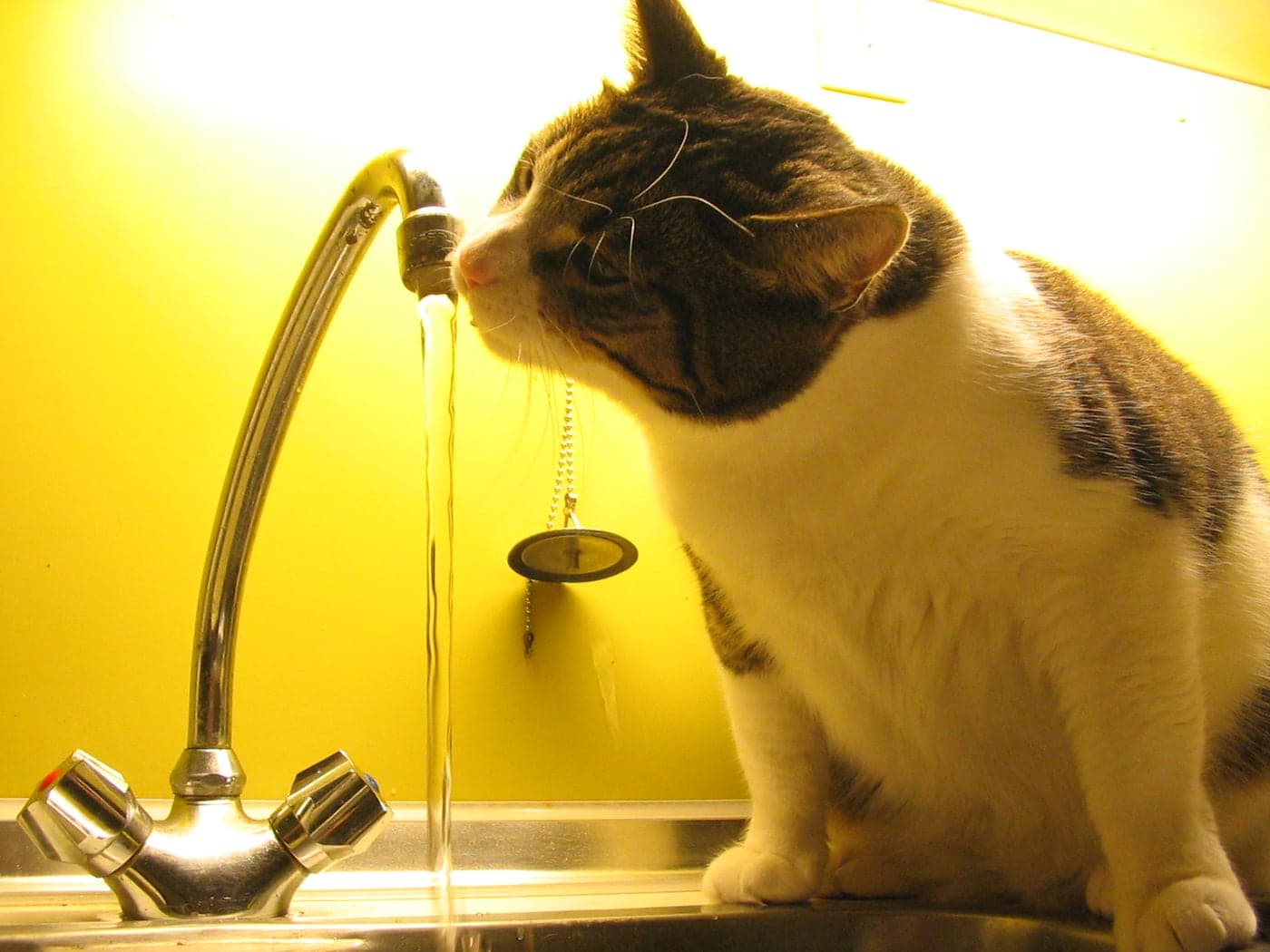
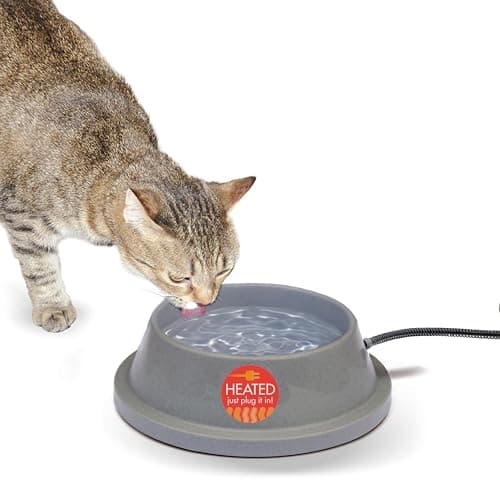
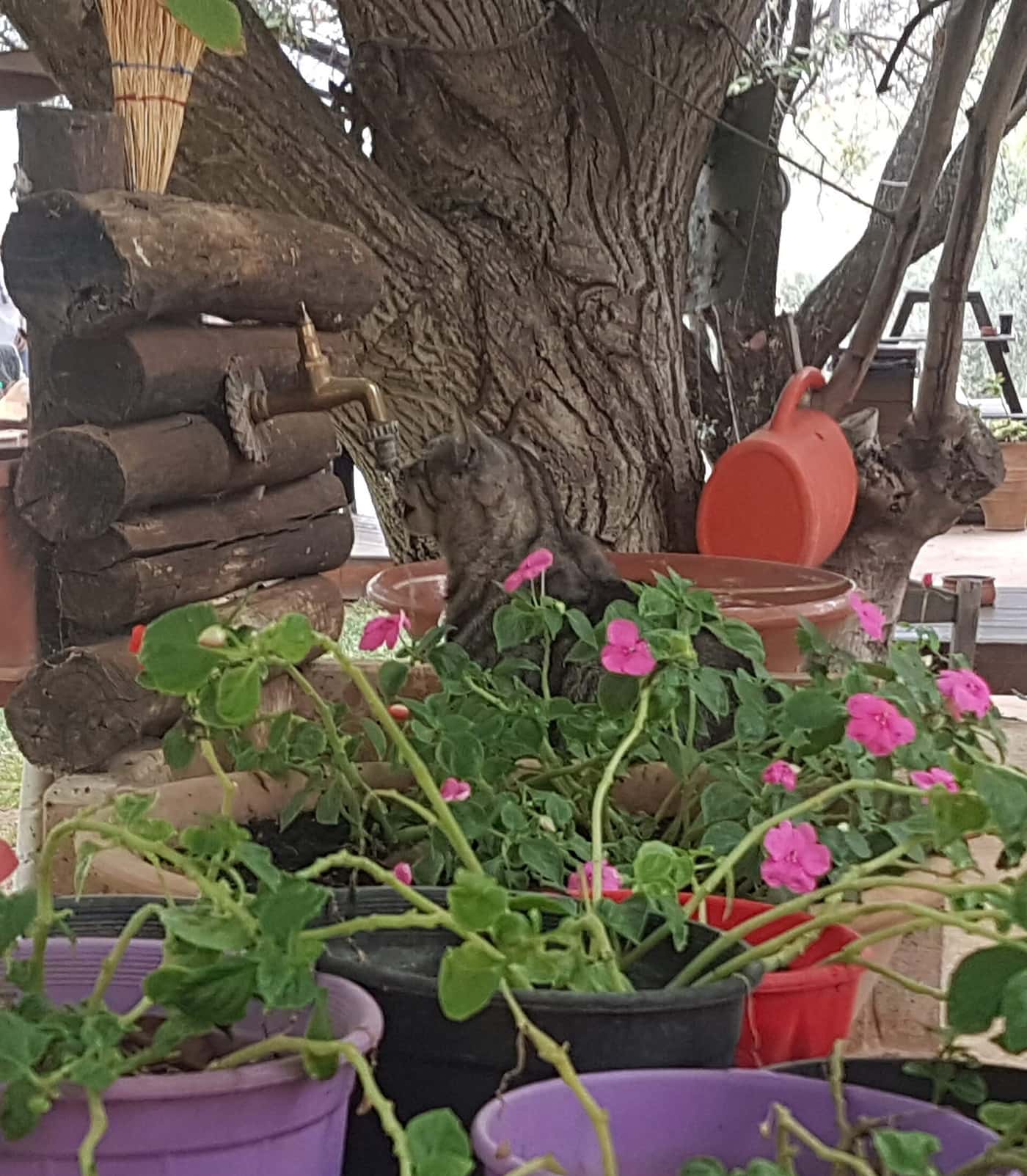
A cat drinking water from a bowl

Affiliate disclosure: we earn a commission if you buy through our links, at no extra cost to you. It never changes which product we rank first — here is how we're funded.

Feeding gear is sold on convenience and bought on anxiety — the weekend away, the cat that is not drinking enough, the one that eats the other’s prescription food. Three different problems, three different products, and the marketing blurs all three together.

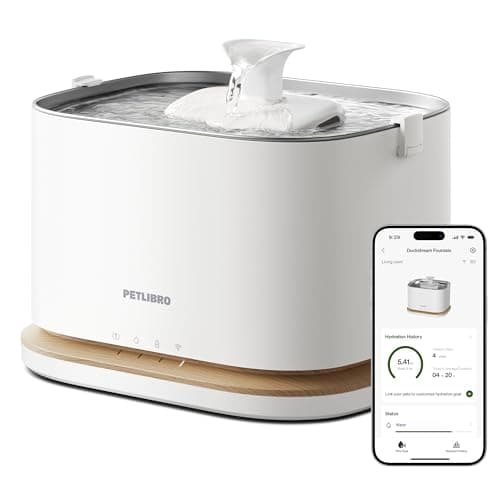
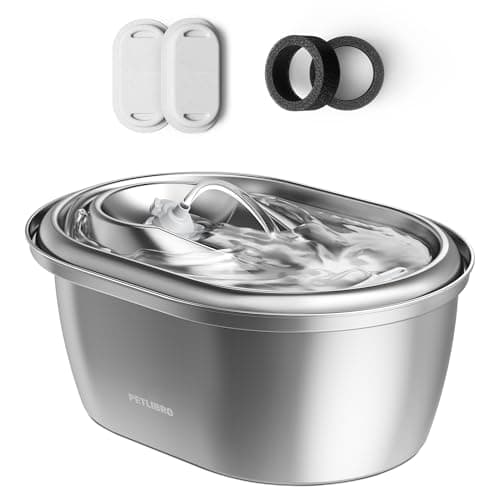
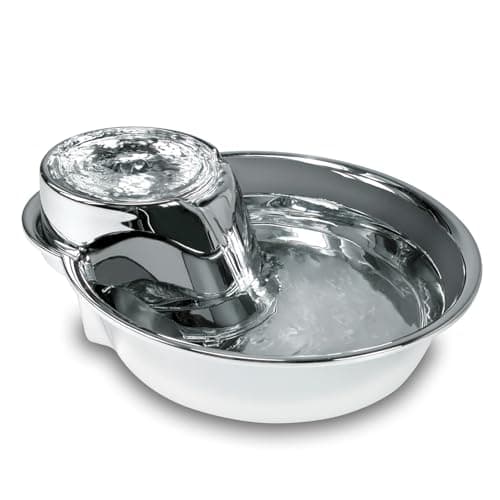
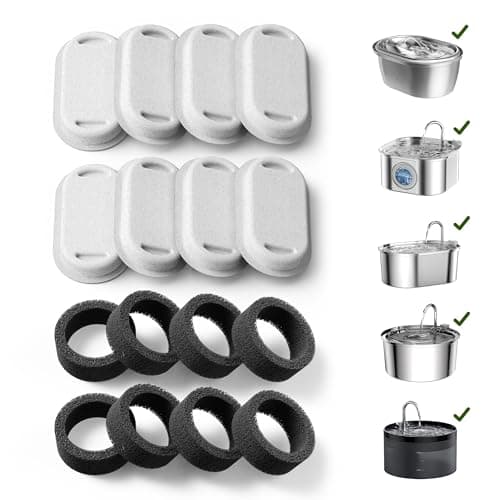
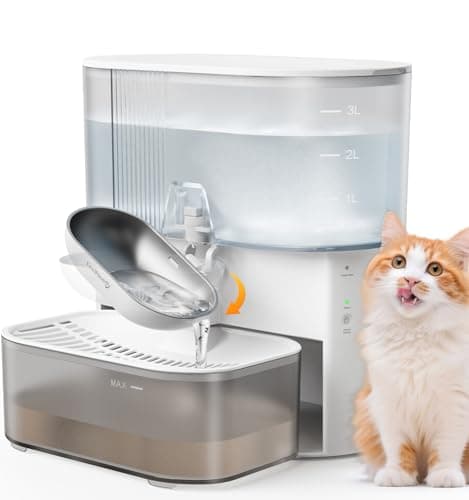
The most useful thing we can tell you about this category is a cost structure nobody prints on a box: on a water fountain, the filters cost roughly twelve times the electricity. PETLIBRO’s stainless fountain ships with a 5 V / 1 A adapter, so 5 W is a hard ceiling on draw — about $8 a year of power. The same company asks you to change the filter every two weeks, at its own listed price of $3.75 a filter: $97 a year. Every review that calls a fountain “energy efficient” is measuring the wrong number.

Start with the picks

Every list below leads with a top pick you can price and buy from this page. We have not tested any of it — here is what we do instead.

The three problems, and which product solves which

Feeding problems mapped to product types
Your actual problemThe product that solves itThe one that does not
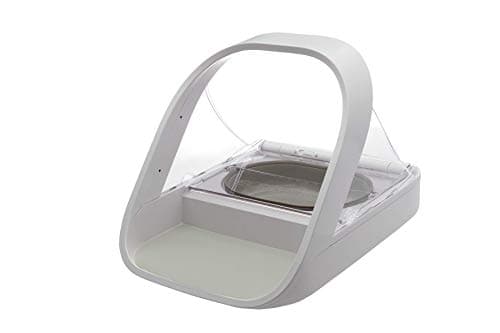
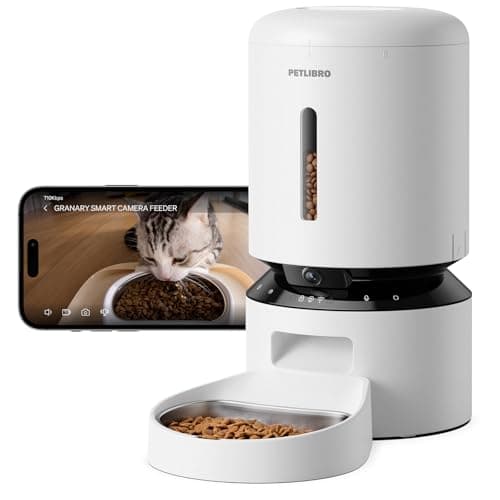
One cat eats the other's foodA microchip feeder, one per controlled catA scheduled dispenser with one bowl -- it will let the theft happen on camera
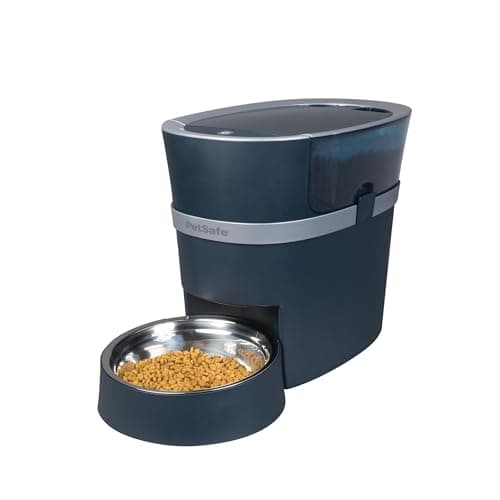
You are out all day, or away for a weekendA hopper feeder sized by cups, not by 'portions'A microchip feeder -- it is a lid, not a timer
The cat does not drink enoughA fountain you will genuinely clean fortnightlyA bigger bowl
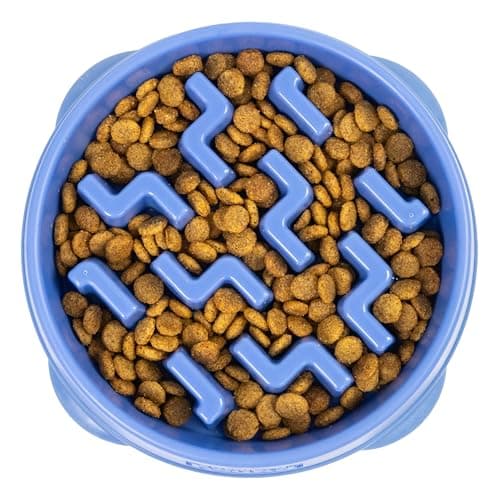
The cat eats too fast and vomitsA slow-feed setting or a foraging toyPortion control alone

The uncomfortable thing about fountains

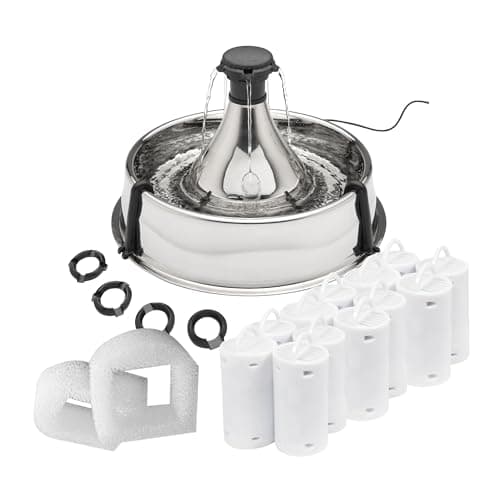
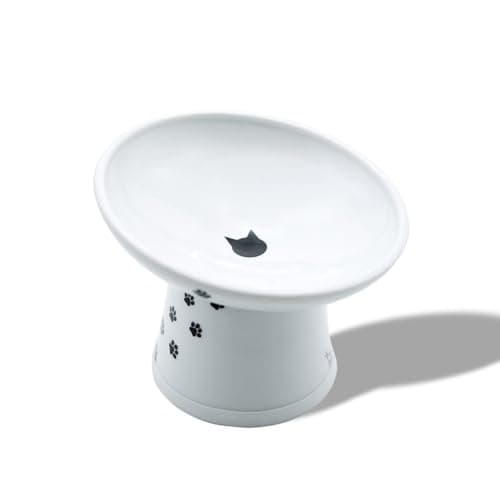
A fountain is a warm, aerated, continuously recirculating body of water. Run correctly it encourages drinking; run past its filter interval it is a bacterial culture with a pump in it. Every maker here publishes a filter interval — PETLIBRO says two weeks, Pioneer Pet says two to four — and the honest question before buying one is not which model to get, it is whether you will do that 26 times a year. If the answer is no, several wide ceramic bowls refreshed daily are the better purchase, and they cost nothing to run.

On hydration itself we defer to people qualified to speak: the Cornell Feline Health Center discusses water intake in the context of lower urinary tract disease. We are not veterinarians and do not make health claims. What we can do is tell you what each fountain costs to keep running, which nobody else publishes.

Deciding between two things

Work out what you need first

Where to start

If you are deciding whether a fountain is worth it at all, start with the fountain versus bowl comparison. If you have already decided, the running-cost page will tell you what each model asks of you over a year before you commit. And if the real problem is one cat eating another’s food, skip the fountains entirely and read the multi-cat feeder picks.