Perch & Purr

Litter & Litter Tech

The drawer fills faster than the marketing suggests. Here is the arithmetic nobody publishes.

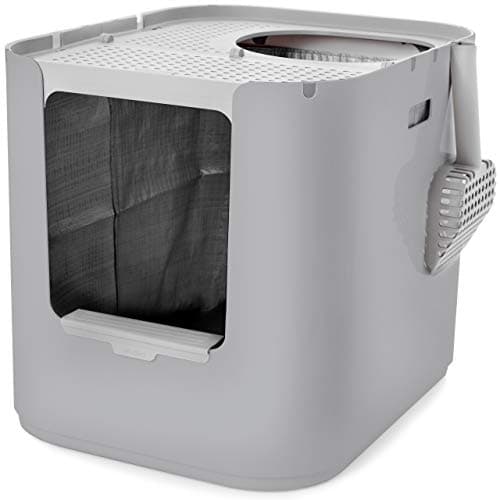
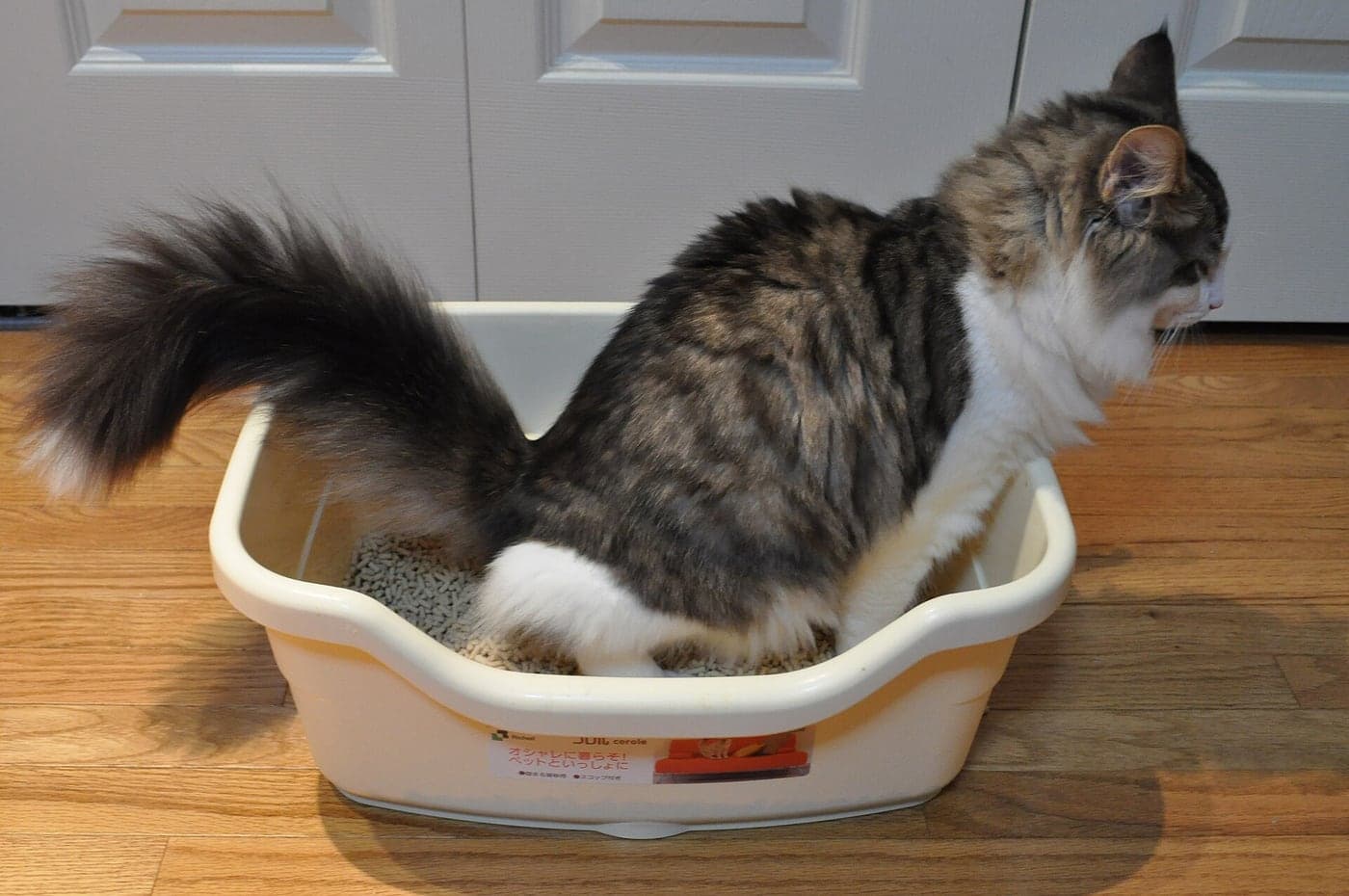
A cat using a covered litter box

Affiliate disclosure: we earn a commission if you buy through our links, at no extra cost to you. It never changes which product we rank first — here is how we're funded.

Litter is where multi-cat households break. One cat and a decent box is a solved problem; three cats and the same box is a flat that smells, a cat going on the bath mat, and a growing suspicion that you have bought the wrong thing. Almost always you have bought the right thing in the wrong quantity.

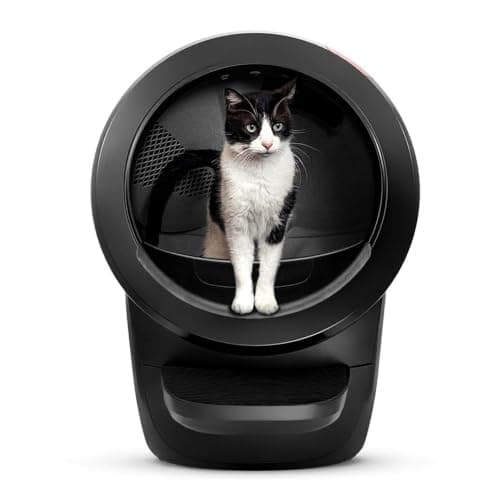
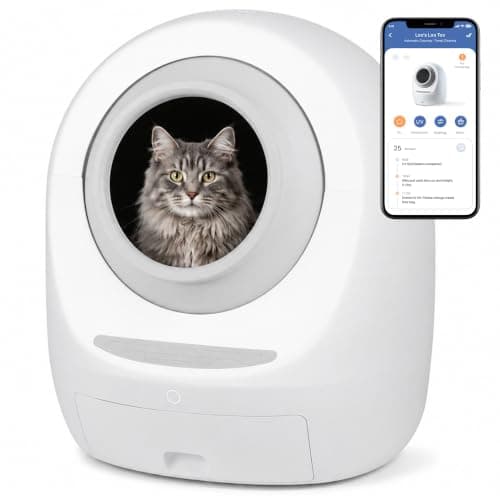
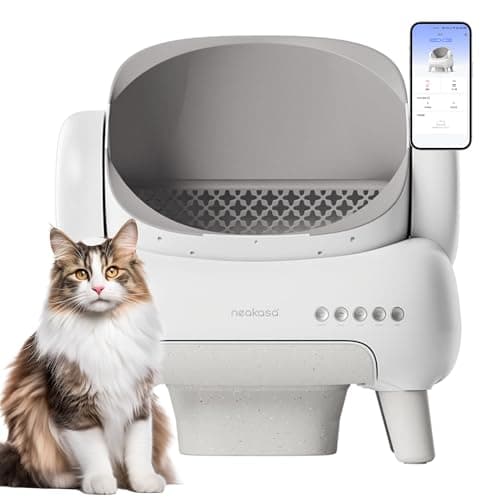
The number that governs everything here is not odor control or app connectivity. It is volume per cat per day — how much waste and used litter the setup can hold before somebody has to intervene. Manufacturers rarely publish it. Whisker does not publish a globe or drawer capacity for either the Litter-Robot 4 or the 5. PetSafe declines to give multi-cat guidance for the ScoopFree beyond “your mileage may vary.” Neakasa and Casa Leo do publish theirs, and that alone is a reason to take them seriously.

So this section is organized around capacity and running cost rather than features. Everything below is sourced to a manufacturer document and every computed figure shows its inputs.

Start with the picks

Every list below leads with a top pick you can price and buy from this page. We have not tested any of it — here is what we do instead.

What changes when you go from one cat to three

Three things scale, and they do not scale at the same rate.

  • Box count scales fastest. The Cornell Feline Health Center recommends “an adequate number of litter boxes, usually one more than the number of cats in the household.” One cat needs two boxes. Three cats need four. That is not a preference, it is the standard guidance, and it is the single change that resolves most litter problems.
  • Consumables scale linearly, and they dominate. A proprietary tray or liner that is a mild annoyance with one cat becomes the largest line item with three. See what an automatic litter box actually costs to run for the arithmetic on each system here.
  • Odor scales worse than linearly, because a box that is scooped at the same frequency now holds three times the waste between scoops. The fix is frequency and count, not fragrance.

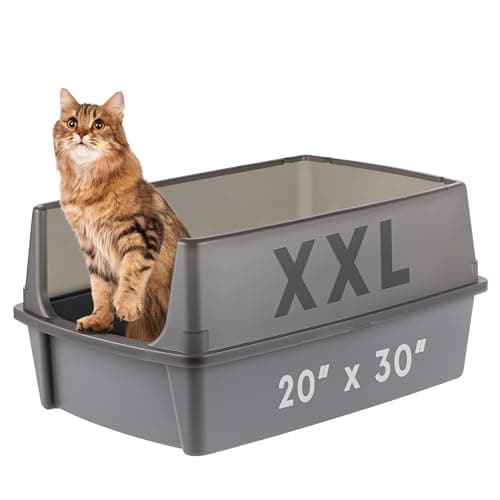
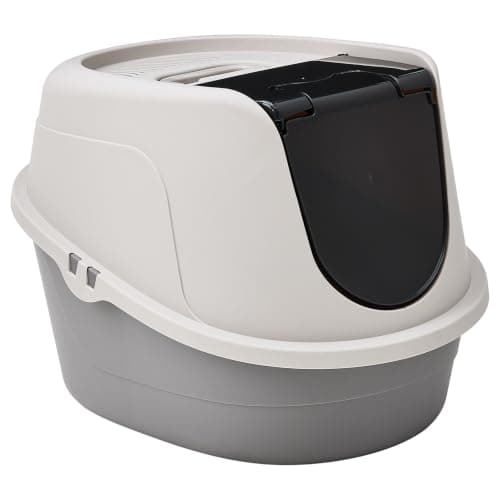
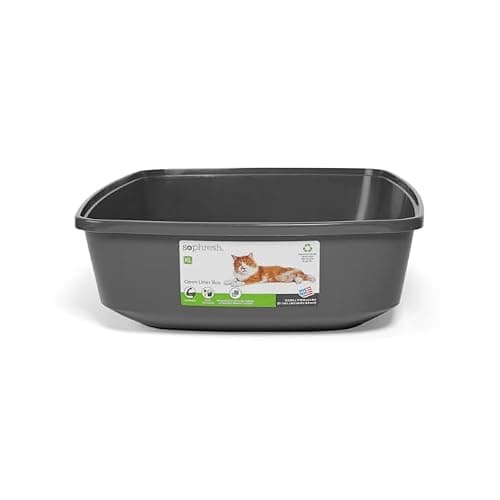
The Ohio State Indoor Pet Initiative adds three specifications that most retail boxes fail: cats generally prefer large, uncovered boxes; most prefer fine-grained, unscented litter and are deterred by scented or deodorant products; and in a multi-story home there must be a box on every level. Notice how much of the market that rules out.

Litter box requirements by household size
CatsBoxes (Cornell n+1)PlacementScoop
12Two separate roomsDaily
23Not side by side; one per floor minimumDaily
34Three rooms minimum, every floorDaily, twice if enclosed
45Four rooms, spread across floorsTwice daily

Box counts follow Cornell's n+1 guidance. Placement and scooping frequency follow the Ohio State Indoor Pet Initiative, which specifies daily scooping and a weekly wash.

Deciding between two things

Work out what you need first

Where to start

If the house smells, start with the smell guide — it is a cause-first page and the fix is usually free. If you are weighing an automatic box, read whether an automatic box is worth it before the roundups, because the honest answer for a lot of households is “buy two more ordinary boxes instead.” If you already know you want one, the multi-cat automatic box picks are ranked on published capacity rather than app features.

We have not tested any of this gear. Here is exactly what we do instead, and why we think published arithmetic beats a borrowed credential.