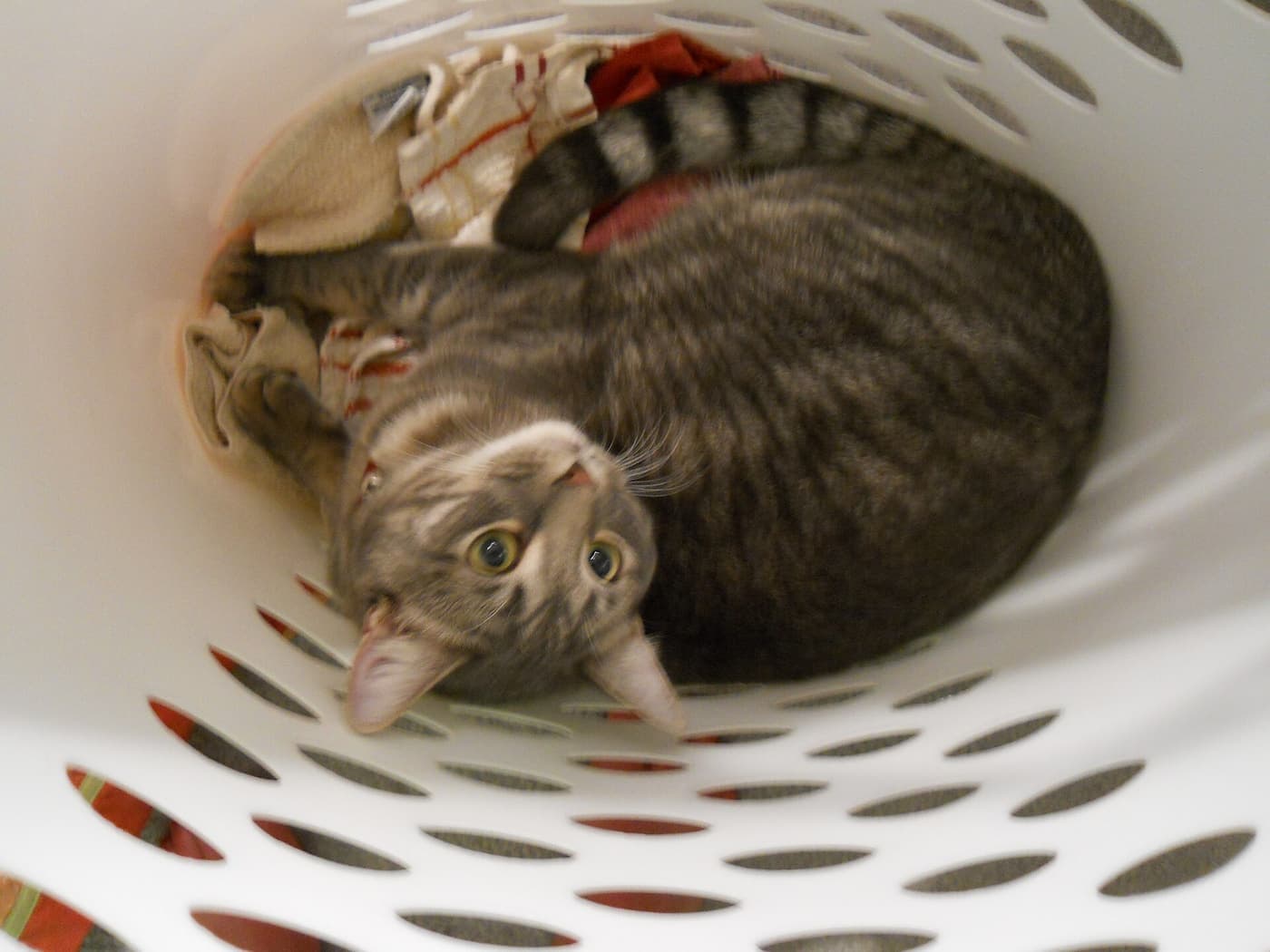
Best cat bed
Best Cat Beds (2026)
Cat beds compared on the measurement that matters -- usable interior, not outside diameter -- with the rim arithmetic shown.
Top pick: K&H Thermo-Kitty Bed
The gear a cat meets every day, compared on the numbers manufacturers publish and the ones they do not.
Affiliate disclosure: we earn a commission if you buy through our links, at no extra cost to you. It never changes which product we rank first — here is how we're funded.
This is the gear a cat meets every day and nobody researches: the bed, the carrier, the harness, the brush, the door between two rooms. It is the part of the category where listings publish the least and where the gap between what is printed and what you needed to know is widest.
The pattern repeats across every product on this hub. A bed publishes an outside diameter, which is not the sleeping surface. A carrier publishes an exterior, which overstates the interior by about two and a half inches. A harness publishes a size chart with a half-inch window on one of its sizes. A cat door publishes a flap opening and a cut-out that differ from every competitor by more than an inch, so the hole you cut is not transferable.
So the work here is the same as everywhere else on this site: take the numbers the manufacturer does publish, do the arithmetic they left out, and say plainly where a figure does not exist rather than filling the gap.
Every list below leads with a top pick you can price and buy from this page. We have not tested any of it — here is what we do instead.
Best cat bed
Cat beds compared on the measurement that matters -- usable interior, not outside diameter -- with the rim arithmetic shown.
Top pick: K&H Thermo-Kitty Bed
Best heated bed
What a heated cat bed actually costs to run, worked out from published wattage, and why the safety listing matters more than the price.
Top pick: K&H Thermo-Kitty Bed
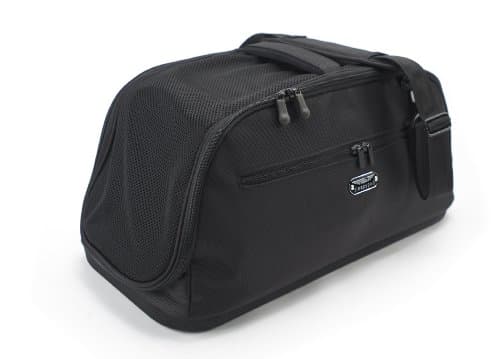
Best cat carrier
Three carriers compared on published interior space, weight limits and crash certification -- and which of the three jobs each one is for.
Top pick: Sleepypod Air
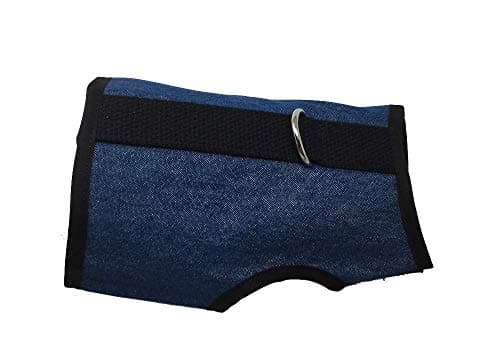
Best cat harness
Three cat harnesses compared on published girth ranges, closure type and the escape mechanics that decide whether any of it matters.
Top pick: Kitty Holster Cat Harness
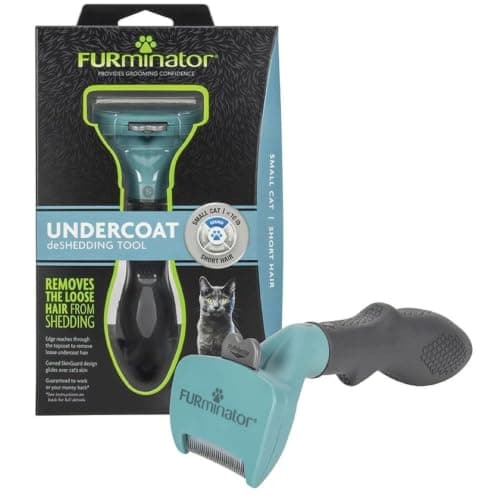
Best grooming tool
Deshedder, slicker and comb compared on what each actually reaches, with the FURminator 90 percent claim costed in hours a year.
Top pick: FURminator Undercoat deShedding Tool, Small Cat, Short Hair
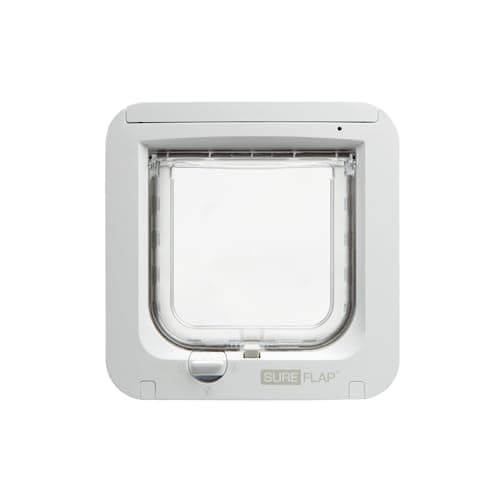
Best microchip door
Microchip and manual cat doors compared on stored identities, flap aperture and published cut-out, with the two specs that actually decide it.
Top pick: SureFlap Microchip Cat Door
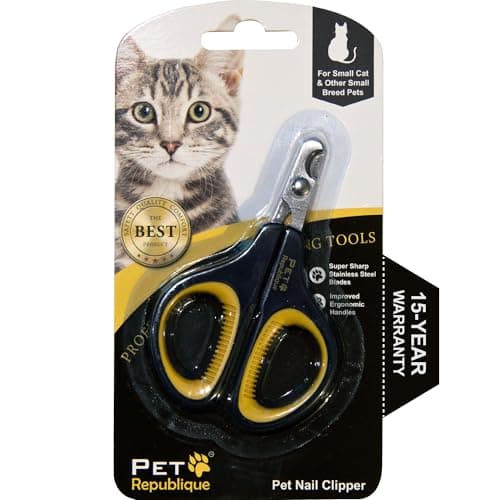
Best nail clipper
Cat nail clippers compared, why blade size is the safety feature, and a handling routine that makes trimming possible.
Top pick: Pet Republique Cat Nail Clipper
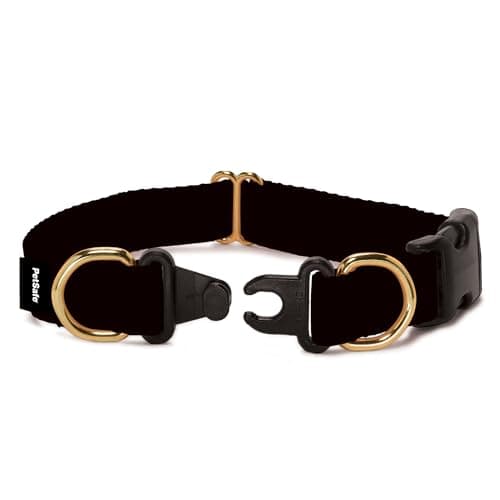
Best cat collar
Cat collars judged on the break-away buckle, plus where a collar is genuinely useful and where a microchip does the job better.
Top pick: PetSafe KeepSafe Break-Away Collar
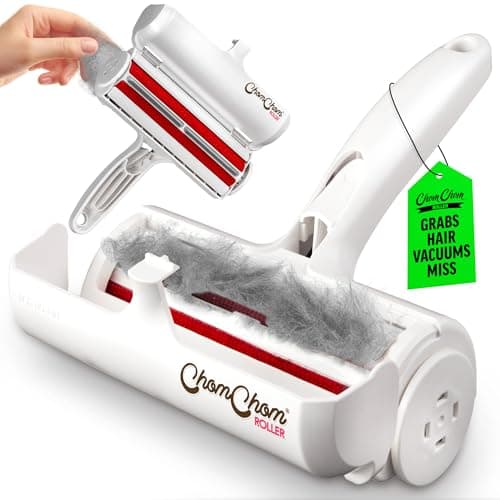
Best hair remover
Hair removal tools compared on running cost and on where each one works, plus the upstream fix that beats all of them.
Top pick: ChomChom Roller
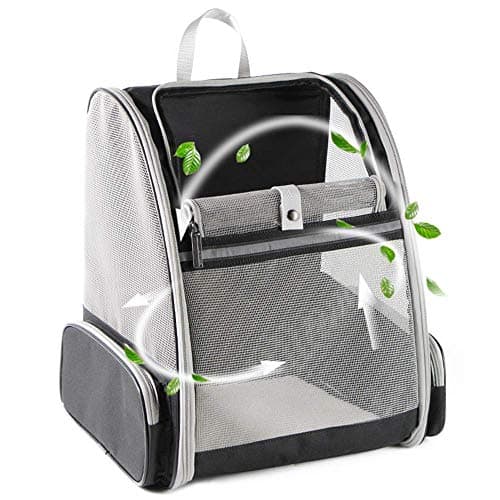
Best backpack carrier
Cat backpacks compared on published pet dimensions and ventilation, with the honest limits on where a backpack should not be used.
Top pick: Texsens Innovative Traveler Bubble Backpack
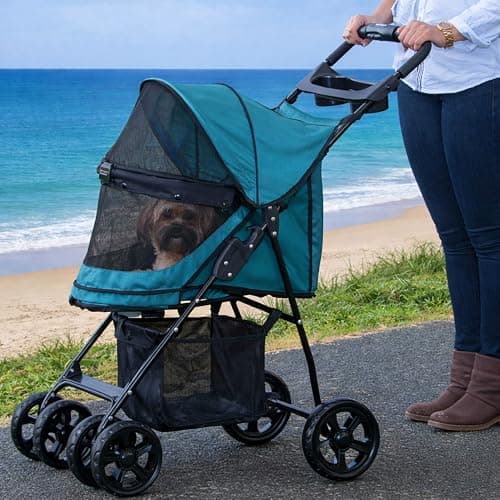
Best cat stroller
Cat strollers compared on published interior length against carriers, and which cats a stroller genuinely suits.
Top pick: Pet Gear Happy Trails No-Zip Stroller
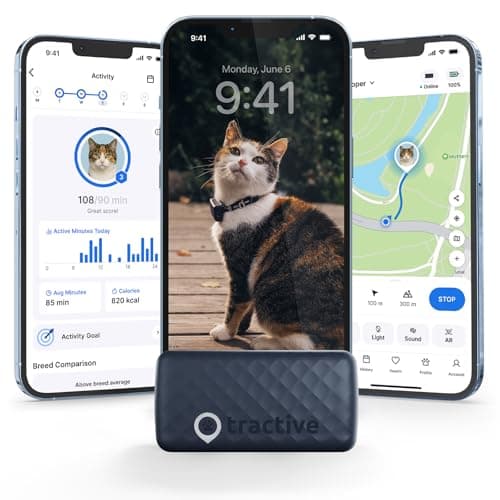
Best GPS tracker
Cat GPS trackers compared on published weight, IP rating and battery life, with the subscription cost stated up front.
Top pick: Tractive CAT Mini GPS Tracker
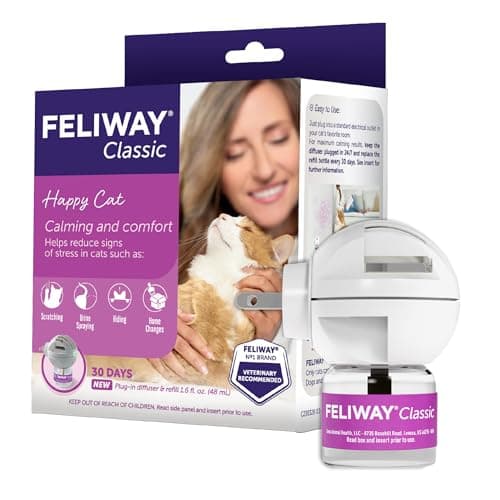
Best calming diffuser
Pheromone diffusers compared on published coverage and refill intervals, with the environmental fixes that come first.
Top pick: FELIWAY Classic Diffuser
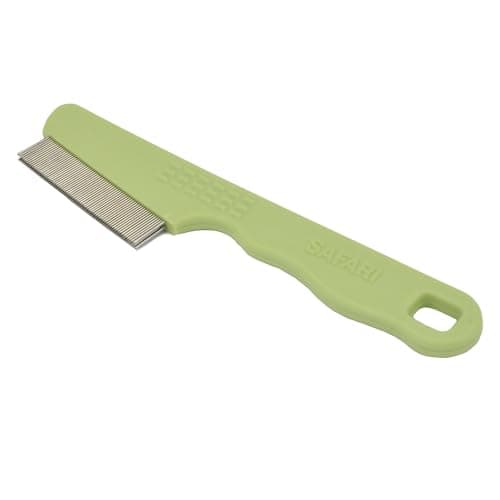
Best flea comb
Flea combs compared on tooth spacing and handling, with the white-towel method for telling flea dirt from dandruff.
Top pick: Safari Cat Flea Comb
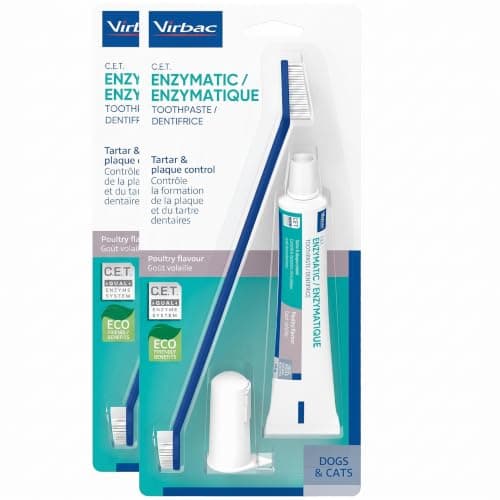
Best dental kit
Cat dental kits compared, why brushing is the only mechanical plaque removal, and the introduction routine that makes it possible.
Top pick: Virbac C.E.T. Oral Hygiene Kit for Cats
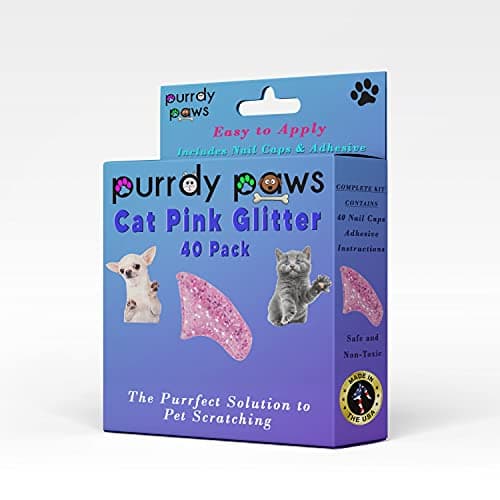
Best nail caps
Nail caps compared on published sizing and wear window, who they genuinely suit, and what they do not replace.
Top pick: Soft Claws Cat Nail Caps
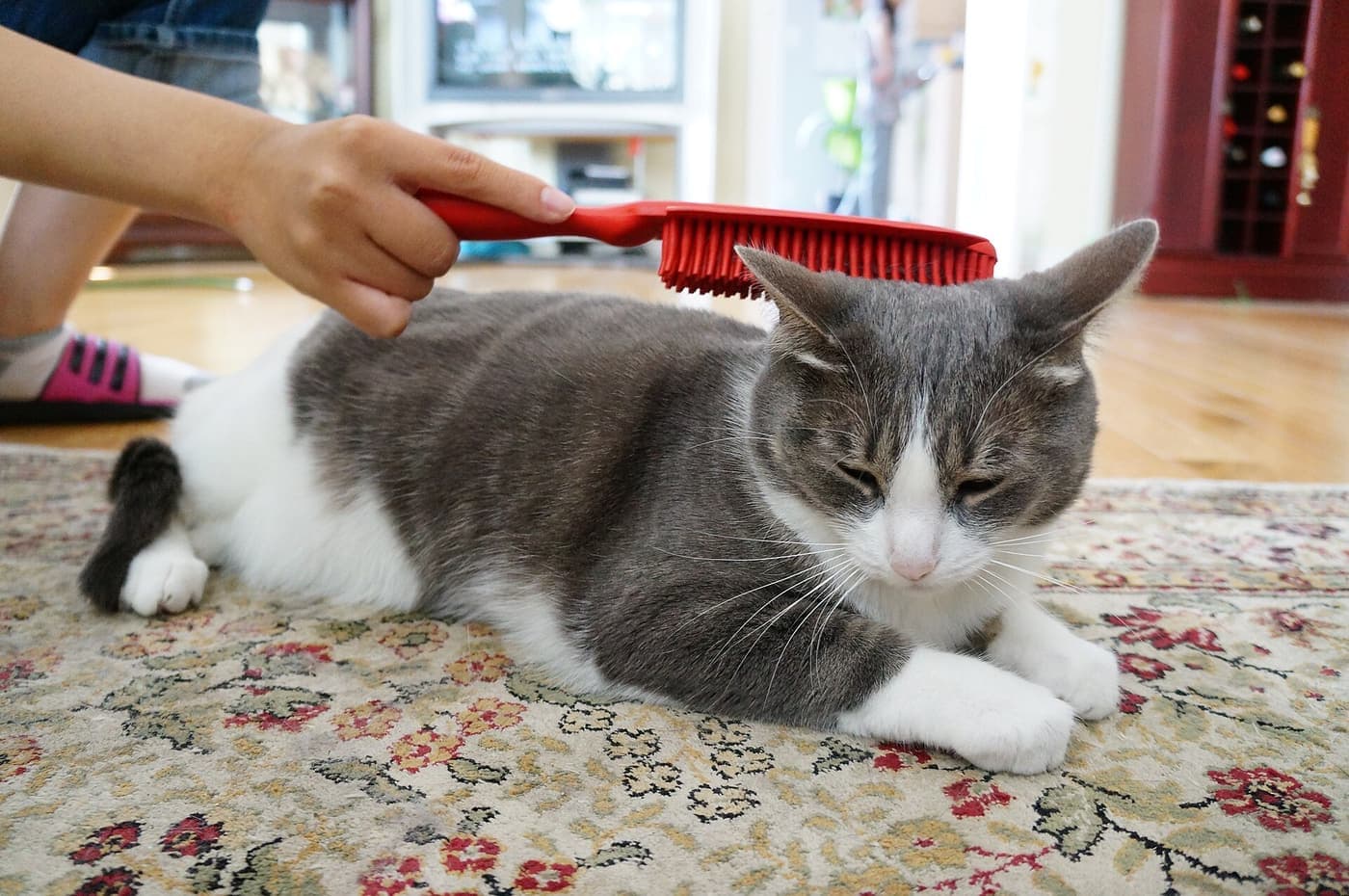
Best grooming glove
Grooming gloves compared on published tip count and length, what they reach, and the cat they are genuinely the right tool for.
Top pick: DELOMO Pet Grooming Gloves
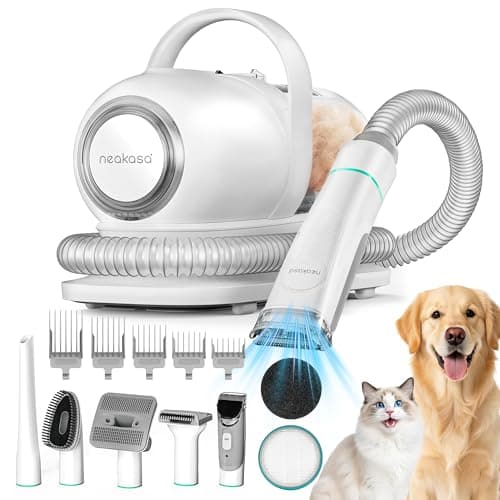
Best grooming vacuum
Grooming vacuums compared on published noise and suction, with an honest assessment of how many cats will tolerate one.
Top pick: Neakasa P1 Pro Pet Grooming Vacuum
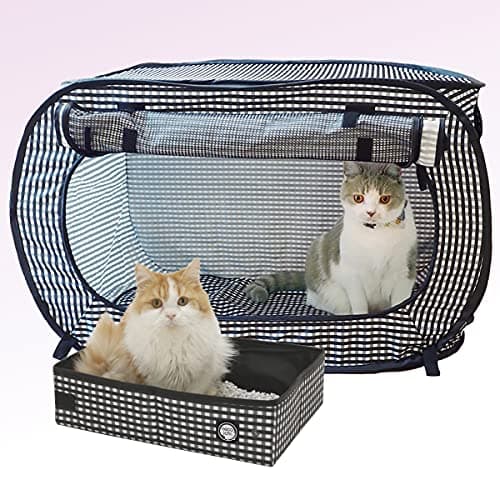
Best travel litter box
Portable litter boxes compared on published dimensions and liner construction, with the road-trip routine that goes with them.
Top pick: Necoichi Portable Cat Litter Box
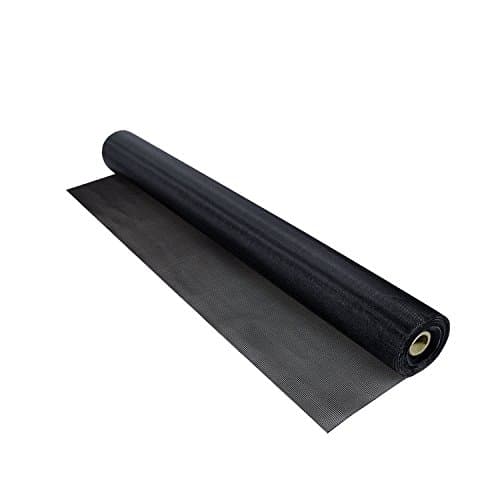
Best pet screen
Pet-resistant screening compared on published strength and openness, with the frame check and the perch that suits a screened window.
Top pick: Phifer PetScreen
Best self-warming bed
Unpowered self-warming beds compared on published sleep surface and shape, with the heated bed that costs about a dollar a winter to run.
Top pick: K&H Self-Warming Lounge Sleeper
Best outdoor cat house
Heated and unheated outdoor shelters compared on published insulation, doors and dimensions, with the full winter electricity arithmetic.
Top pick: K&H Outdoor Heated Kitty House
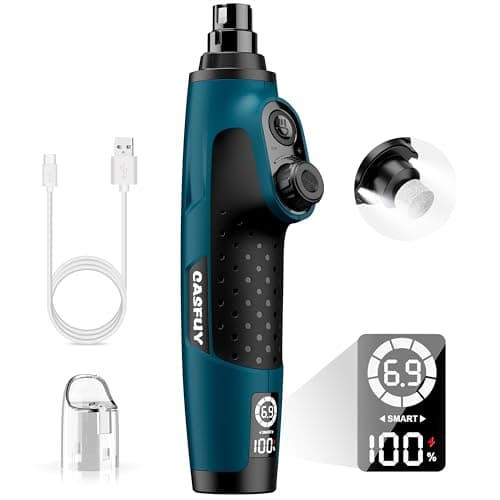
Best nail grinder
Nail grinders compared on published noise, speed range and battery life, against the silent clipper alternative.
Top pick: Casfuy 6-Speed Quiet Nail Grinder
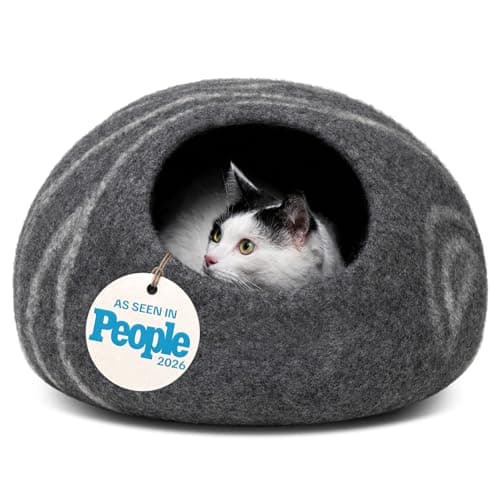
Best cat cave
Cave beds compared on published entrance, footprint and material, with the one-exit caution for multi-cat homes.
Top pick: MEOWFIA Felt Cat Cave

Best cooling mat
Gel and water cooling pads compared on published sizes and mechanism, with the water station that matters more in a heatwave.
Top pick: The Green Pet Shop Cool Pet Pad
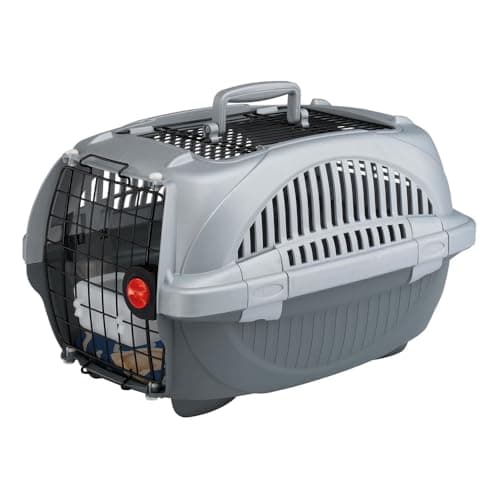
Best top-loading carrier
Carriers that open at the top, ranked on published opening type and dimensions, with the drawer design that answers the same problem another way.
Top pick: Ferplast Atlas 20 Deluxe Open
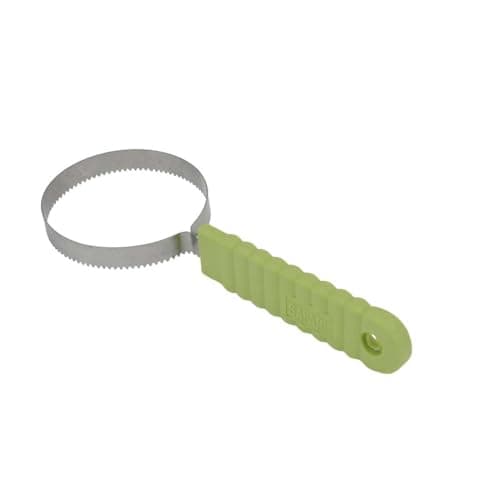
Best long-hair kit
The three-tool kit for a long coat, ranked on what each reaches -- with honest cons, including the one most cats refuse.
Top pick: Safari Cat Shedding Comb
Best flight carrier
Three cabin carriers on published interiors, compressed lengths and weight limits, with the airline caveat stated plainly rather than buried.
Top pick: Sleepypod Air
Best crash-tested carrier
Crash-test claims checked against the certifier's own list, with the weight ceiling that bounds every certification -- and the listings that quietly exceed it.
Top pick: Sleepypod Air
Best bed for a senior cat
Beds ranked on step-over height and flat landing area rather than plushness: 312 square inches of zero-step surface against 115, and the 6-inch wall an arthritic cat has to clear.
Top pick: K&H Thermo-Kitty Mat

Best cat wipe
Wipes, foam and spray on their full published ingredient lists, pH-for-cats claims and minimum ages -- plus the one product that publishes an age floor and the two that do not.
Top pick: Burt's Bees for Pets Cat Dander Reducing Wipes
Best carrier for a large cat
Big-cat carriers ranked on published pet weight and interior volume, with the uncomfortable finding that the mainstream category tops out at 17 to 18 lb.
Top pick: Ferplast Atlas 20 Deluxe Open
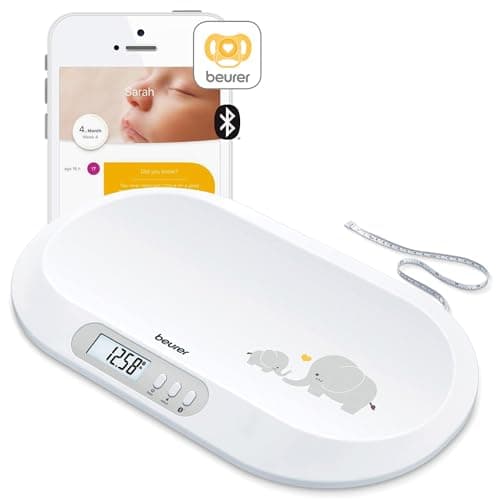
Best cat scale
Scales ranked on the specs that matter for a moving animal: a published hold function and a trend memory, not the grams of resolution the category advertises.
Top pick: Beurer BY90 Digital Baby & Pet Scale
Best gift for a cat owner
Gifts aimed at the owner's daily annoyance rather than the cat's preferences: a reusable hair remover with no refills, a grooming vacuum that publishes its decibels, a camera and a sealed litter pail.
Top pick: ChomChom Roller
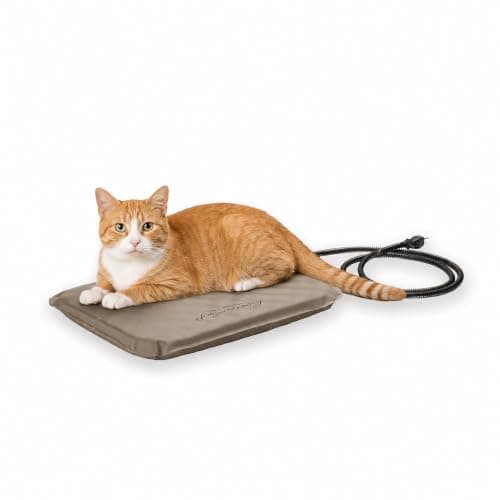
Best outdoor heated pad
Outdoor heated pads on published wattage and safety listing: $10.56 of electricity for a 120-day winter at 20 W, double that for a chew-resistant shell, or about $3 for the microwavable disc.
Top pick: K&H Lectro-Soft Outdoor Heated Pet Bed, 18 x 14 in
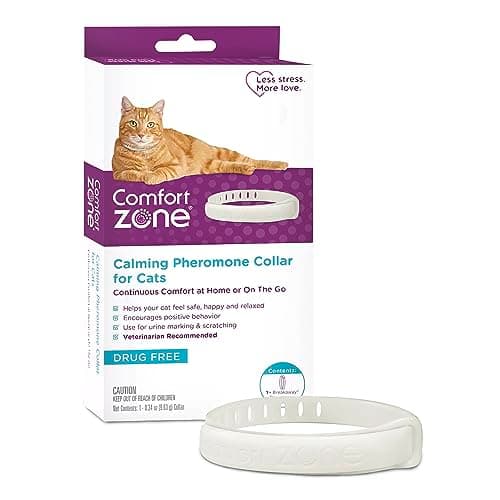
Best calming collar
Calming collars ranked on closure type rather than claims: one publishes a break-away, one publishes a plain buckle, and one publishes neither a closure nor a duration.
Top pick: Comfort Zone Cat Calming Collar, 30-Day
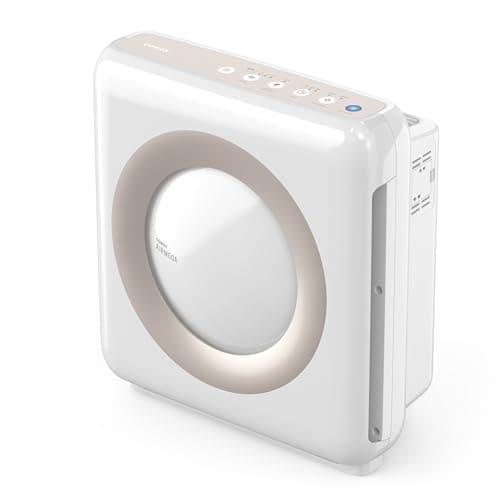
Best air purifier for cats
Room air purifiers compared on the AHAM room size rather than the headline coverage figure, with the finding that inverts this site: electricity costs about twice the filters.
Top pick: Coway Airmega AP-1512HH Mighty
Five categories, and in each one a single specification does most of the work.
Underneath all five sits the same multi-cat lens the rest of the site is written through. Beds, carriers, feeding spots and doors are resources, and the Ohio State Indoor Pet Initiative treats competition over resources as the origin of most of what gets called a behavior problem. More resting places than cats, in more than one room, at more than one height, is not a decorating preference — it is the intervention.
| Category | What listings publish | What decides it |
|---|---|---|
| Beds | Outside dimension | Interior after the rim |
| Heated beds | Comfort language | Wattage and safety listing |
| Carriers | Exterior dimension | Interior, and whether the top opens |
| Harnesses | Escape-proof claims | Vest or strap, and the published girth range |
| Cat doors | Flap size | Cut-out size, aperture height, identity count |
The right-hand column is our reading of the published specifications, not a manufacturer position.
Head to head
The crash-certified carrier against the cabin specialist, on published interiors, weight limits and what each guarantee actually covers.
Top pick: Sleepypod Air
Head to head
GPS and cellular against Bluetooth and the Find My network, on published weight, battery, IP rating and what each costs to keep running.
Top pick: Tractive CAT Mini GPS Tracker
Guide
The two measurements to take off your cat, and how to compare them against published interior and exterior carrier dimensions.
Top pick: Sleepypod Air
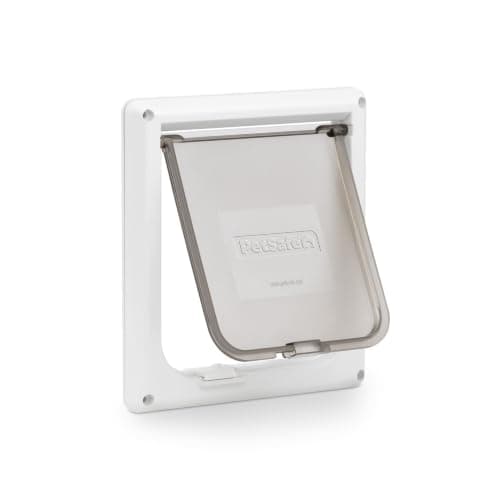
Guide
Sizing, positioning and cutting a cat door opening, with published cut-out figures for three doors and the step-height arithmetic.
Top pick: PetSafe Interior 2-Way Locking Cat Door
Guide
A grooming calendar built from published manufacturer intervals, with the total time cost per cat per year.
Top pick: FURminator Undercoat deShedding Tool, Small Cat, Short Hair
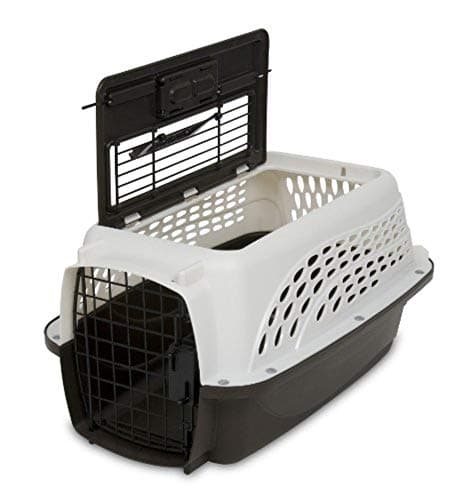
Guide
Why top-loading carriers and a leave-it-out routine solve the carrier fight, plus what to do when there is no time to prepare.
Top pick: Petmate Two Door Top Load Kennel, 19 inch
Guide
Where the quick is, how much to take off, and a one-claw-a-day routine that turns claw trimming into something a cat tolerates.
Top pick: Pet Republique Cat Nail Clipper
Guide
Why cats object to brushing, the glove-first route back, and the rule about mats that keeps a grooming session out of the emergency vet.
Top pick: DELOMO Pet Grooming Gloves
Guide
Securing the carrier, building up with practice trips, and what a long drive actually needs -- including the stop rule that prevents escapes.
Top pick: Sleepypod Air
Guide
The safe-room plan for both ends of a move, the identification jobs to do before the van arrives, and how long to keep a cat in after arrival.
Top pick: FELIWAY Classic Diffuser
Guide
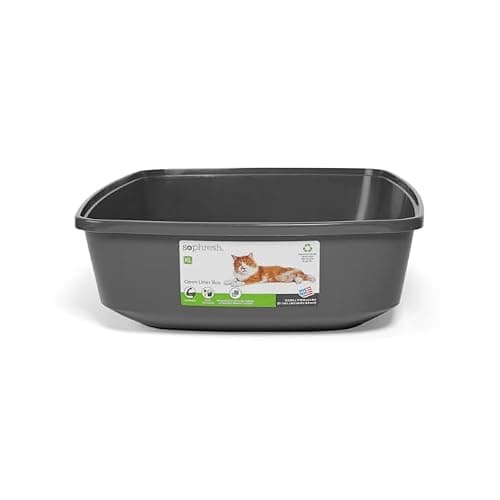
The first-week kitten list by category, with the buy-once rule and the few things that genuinely need to be kitten-sized.
Top pick: So Phresh Open Cat Litter Box, X-Large
Guide
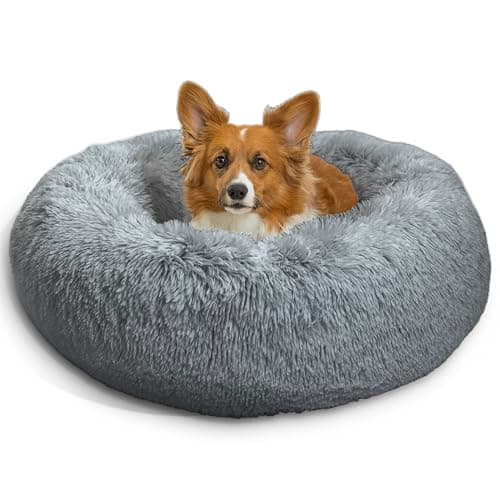
Four bed constructions and how each one washes, the heated-bed rule, and how often to do it -- with the published care instructions per product.
Top pick: Best Friends by Sheri Original Calming Donut
Guide
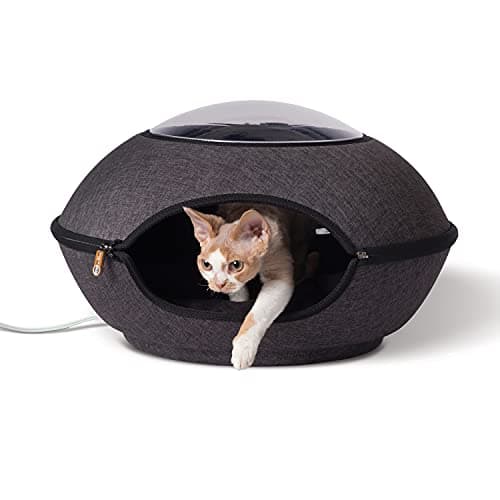
Winter warmth in cost order: the free draft and placement fixes that do most of the work, then a 4 W thermostatic pod that costs about $2.11 for a 120-day winter.
Top pick: K&H Thermo-Lookout Pod
Guide
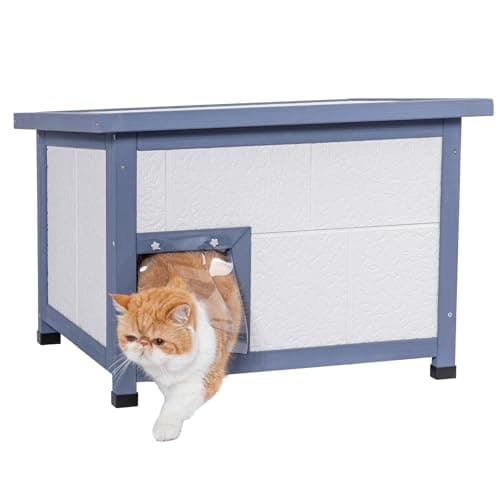
Straw not blankets, a shelter small enough for body heat to fill, two exits, and the unfrozen-water problem that is harder than the shelter problem.
Top pick: PETSFIT Insulated Outdoor Cat House
Guide
The holiday-stress fixes in cost order: one closed room with everything in it, cover at height, a gate with a cat door for a visiting dog, and an honest read on what pheromone products publish.
Top pick: MEOWFIA Felt Cat Cave
If a purchase is imminent, start with the page for the thing you are buying — each one leads with the arithmetic rather than the picks. If you are browsing, the carrier page is the one most likely to change a decision, because a carrier is bought once and used at the worst possible moments.
For a household with more than one cat, the cat door page and feeding cats on different diets are the two that solve problems nothing else on the site solves: they change the territory rather than adding another object to it.