Latest
The consumable is the product
In three of the categories we cover, the annual refill costs more than the hardware did. Every number is on the maker's own website.
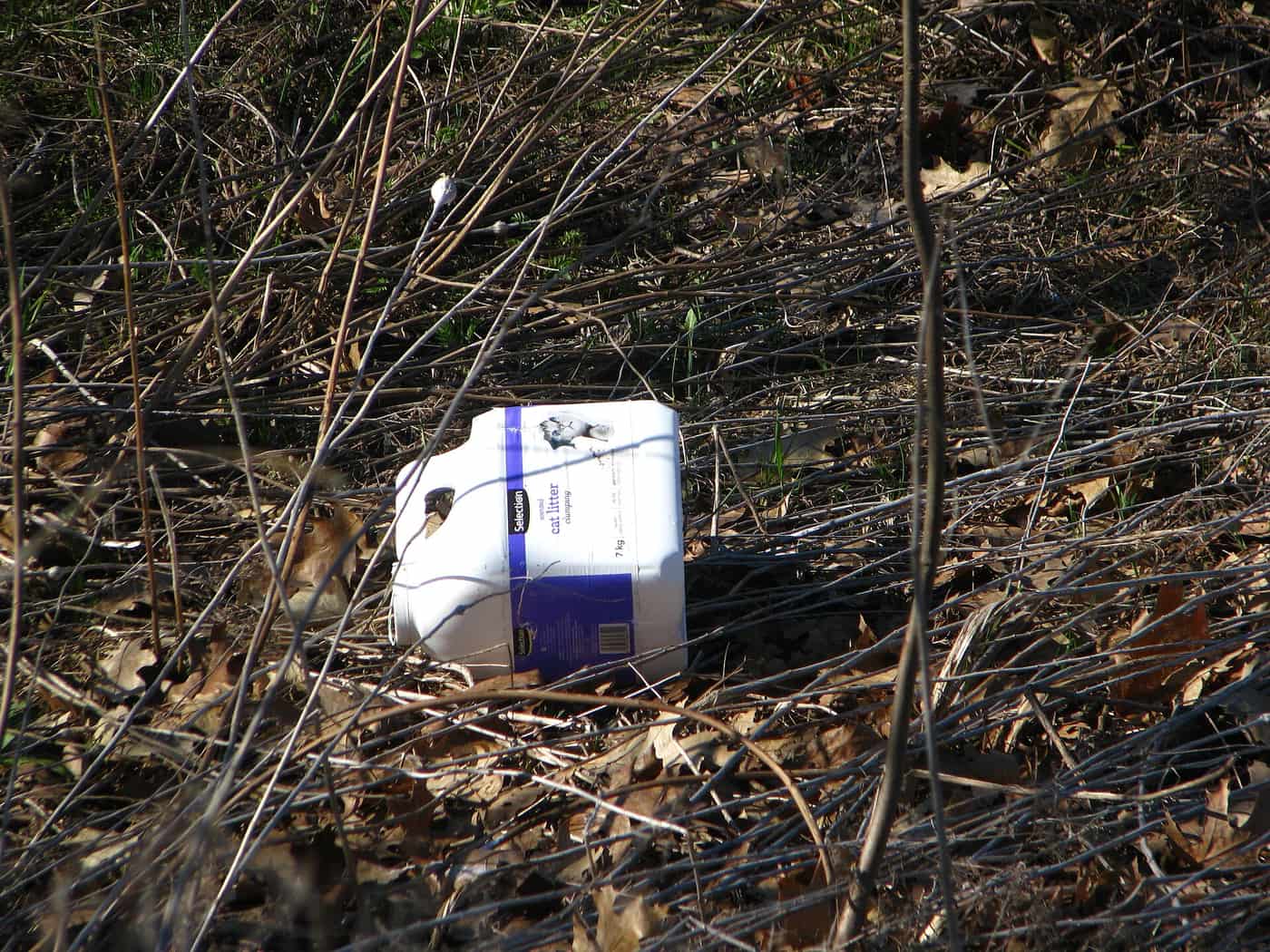
There is a pattern in cat gear that nobody points at, probably because pointing at it makes the products look worse: the hardware is priced to get you into a consumable, and the consumable is where the money is.
We noticed it doing the arithmetic for three separate pages, and the shape was identical every time. Here are the three, all computed from manufacturers’ own listed prices on 3 September 2026.
1. The self-cleaning litter box that costs more in trays
With three cats, filling the tray three times as fast, that runs to roughly $882 a year — our extrapolation from PetSafe’s own single-cat statement, since PetSafe declines to publish multi-cat guidance beyond “your mileage may vary.” Check the current price on the ScoopFree Crystal Smart if you want to run the sum against today’s numbers.
2. The fountain where filters cost 12x the electricity
Every review of this category leads with how little electricity a fountain uses. That is true and it is the wrong number. Electricity rate: 18.34 cents per kWh, US residential average, June 2026, EIA.
3. The rotating box with proprietary liners
The way out is a specification, not a brand
The escape from all three is the same, and it is checkable before you buy: does the product accept ordinary supplies?
| Product | Consumable | Substitutable? |
|---|---|---|
| Neakasa M1 | Ordinary clumping litter, ordinary bin bags | Yes |
| Casa Leo Leo's Loo Too | Ordinary litter, carbon filter | Mostly |
| Litter-Robot 4 / 5 | Proprietary liners, carbon filters | Partly |
| PetSafe ScoopFree Crystal | Proprietary tray, crystal litter only | No |
Compatibility as stated by each manufacturer.
A unit that works with any clumping litter and any bin bag cannot raise your running cost unilaterally. One that only accepts its maker’s tray can. That is not a conspiracy, it is a business model — but it should be a decision rather than a surprise, and every number you need to make it is published.
The units in that table, if you want to price them yourself: Neakasa M1 Open-Top Self-Cleaning Litter Box, Casa Leo Leo's Loo Too, Whisker Litter-Robot 4 and PetSafe ScoopFree Crystal Smart. And on the fountain side, the PETLIBRO Stainless Steel Fountain, 3 L whose filter arithmetic opens this piece.
How to check this yourself, in about a minute
None of the above required anything we have that you do not. Every input is on a manufacturer’s own website, and the arithmetic is one multiplication. Before you buy anything in this category:
- Find the consumable and its unit price. Liner, filter, tray, cartridge — whatever the machine will not run without.
- Find the published interval. Every maker states one, even if it is buried in an FAQ.
- Multiply by your cat count, then by 52 or 12 as appropriate.
- Multiply by five. That is what the machine actually costs over a realistic life, and it is often several times the sticker price.
Do that once and the category reorders itself. The cheapest box on the shelf becomes the most expensive thing on the page, and a mid-price unit that takes ordinary supplies becomes the obvious buy.
The full arithmetic for each category: automatic litter box running costs and cat fountain running costs.
Read next
- What an Automatic Litter Box Actually Costs to Run
The full year-one and year-two running cost of every major automatic litter box, computed from published prices with the arithmetic shown.
- What a Cat Water Fountain Actually Costs to Run
Electricity and filters costed from published adapter ratings and manufacturers' own filter prices, with every sum shown.
- Are Automatic Litter Boxes Worth It?
Break-even arithmetic against ordinary boxes, worked from published prices, with a clear answer for one, two and three cat households.